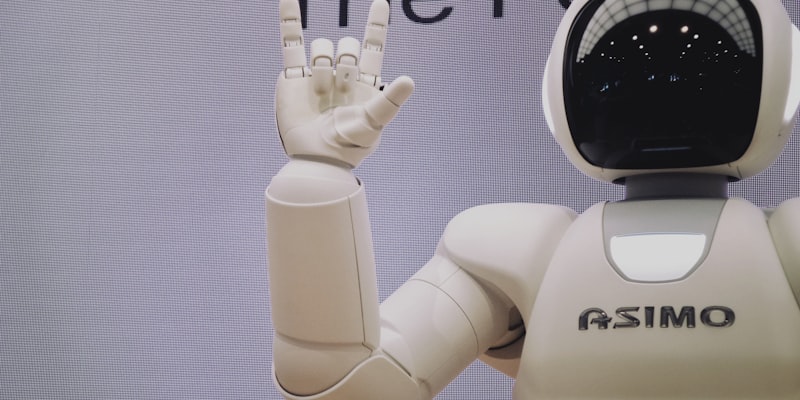
The Future of AI Agents: 5 Predictions for Late 2026 and Beyond

The AI agent landscape has transformed dramatically in just the past year. Models are faster, cheaper, and more capable than ever. But we're still in the early innings. Here are five predictions for where AI agents are heading.
1. Voice-First AI Agents Will Go Mainstream
Text-based chatbots are the norm today, but voice AI has improved dramatically. By late 2026, expect to see AI agents that handle phone calls, voice messages, and in-app voice interactions as naturally as text chat. The technology is already there — OpenAI's voice models and Google's speech APIs deliver near-human quality. The remaining challenge is latency, which is being solved with edge computing.
What this means for businesses: Start thinking about voice as a channel. Your website chatbot today could be your phone agent tomorrow.
2. Multi-Modal Agents Will Handle Images and Documents
Current chatbots handle text. Next-generation agents will accept images (product photos, screenshots of error messages, receipts) and documents (invoices, contracts) as part of the conversation. A customer will snap a photo of a defective product and the AI will process a return without human involvement.
What this means for businesses: Prepare your workflows for visual input. The companies that integrate image handling into their support flows first will have a significant competitive advantage.
3. Autonomous Action Agents
Today's AI agents talk. Tomorrow's AI agents will act. Instead of just answering "What's my order status?" the agent will proactively track your order, detect a delay, and send you an update before you even ask. Instead of just capturing leads, the agent will schedule meetings directly in your team's calendar.
What this means for businesses: Think beyond Q&A. The real value of AI agents is in the actions they can take on behalf of your business and your customers.
4. Personalization Will Become Deep
Current chatbots treat every visitor the same. By late 2026, AI agents will maintain long-term memory of returning visitors — remembering previous conversations, purchase history, and preferences. A returning customer won't need to re-explain their situation. The agent will greet them by name and pick up where they left off.
What this means for businesses: Start collecting and structuring customer interaction data now. The businesses with the best data will deliver the best personalized experiences.
5. AI Agent Marketplaces Will Emerge
Just as app stores democratized software distribution, AI agent marketplaces will emerge where businesses can browse, test, and deploy pre-built agents for specific industries and use cases. A dentist's office can install a "dental practice agent" that already knows how to handle appointment scheduling, insurance questions, and procedure explanations.
What this means for businesses: The barrier to entry for AI agents will drop to nearly zero. The competitive advantage will shift from having an AI agent to having a better-trained, better-integrated one.
The Bottom Line
The businesses deploying AI agents today aren't just solving today's problems — they're building the foundation for a much more automated, personalized future. The data, workflows, and customer relationships you build now will compound as the technology improves. Starting with a simple chatbot today puts you years ahead of competitors who wait.
See it work on your own website
Paste your URL and chat with an AI agent trained on your content — right now, in 60 seconds.
Try It on Your WebsiteReady to try it yourself?
Deploy an AI chatbot on your website in under 5 minutes.
Get Started for Free